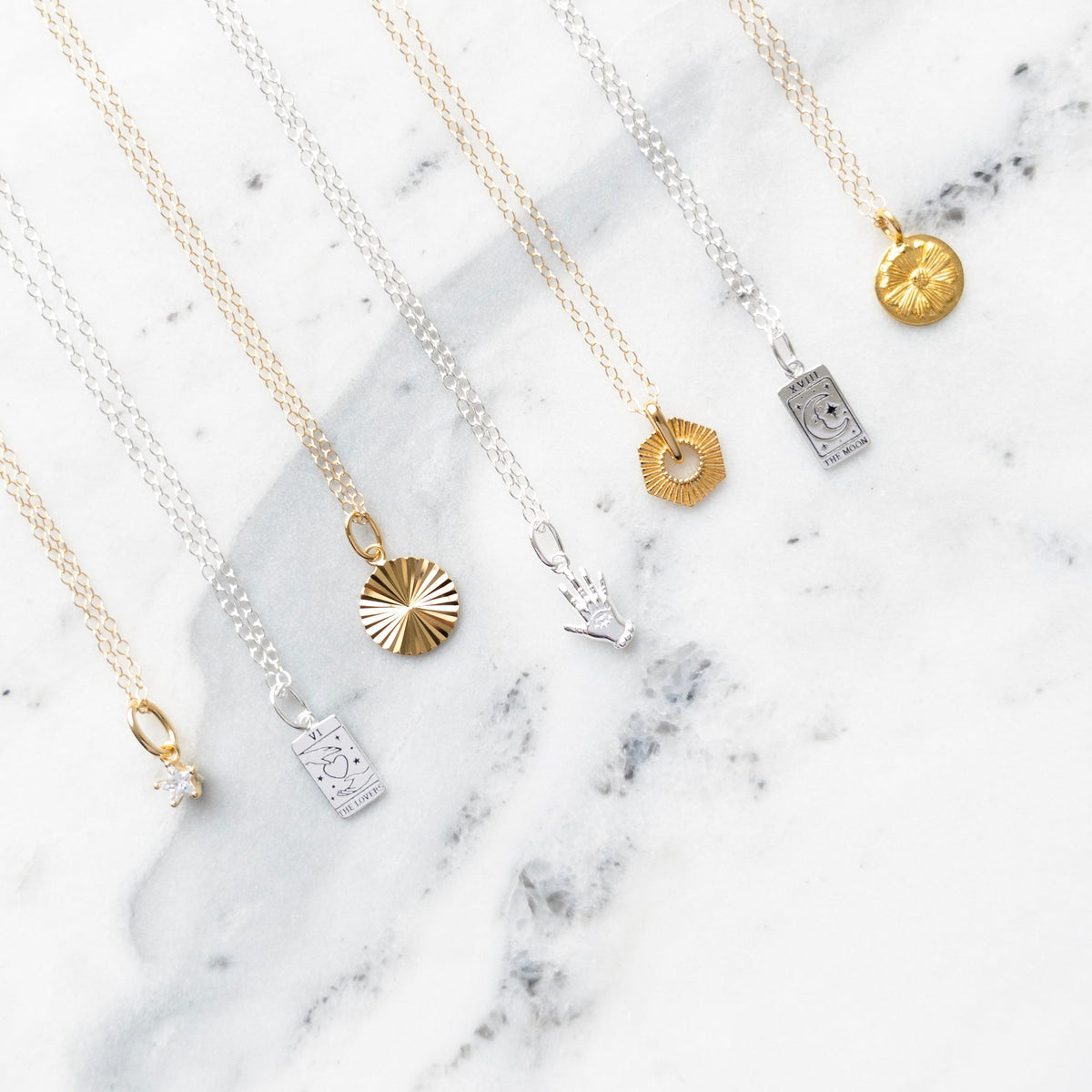




Garnet is January’s birthstone, best known for its rich red colour and long history in jewellery. Traditionally associated with love, loyalty, friendship and protection, it’s a meaningful gemstone for anyone born in January, as well as a thoughtful gift for someone special.
But there’s more to garnet than its classic deep red shade. Here’s what to know about January’s birthstone, from its meaning and history to choosing and caring for garnet jewellery.
What Is January’s Birthstone?
January’s birthstone is garnet. Unlike some gemstones, garnet isn’t a single mineral but a group of related minerals that occur in a range of colours.
Red garnet is the variety most people recognise, with shades ranging from warm reddish-brown to deep, purplish red. Garnets are also found in green, orange, yellow and purple, with some rare varieties changing colour under different lighting.
Garnet has been used in jewellery for thousands of years and remains a popular choice for gemstone necklaces, rings and earrings.
What Does the Garnet Birthstone Mean?
Garnet has traditionally been associated with love, loyalty, friendship, and protection. Its deep red colour has also linked it with the heart and enduring affection.
Throughout history, people have worn garnets as protective talismans and gifts to mark important relationships. These associations are part of the gemstone’s folklore rather than scientifically established properties.
As January’s birthstone, garnet is often chosen to celebrate a birthday or mark the beginning of a new year. Its traditional symbolism also makes it a lovely gift for a partner, friend, or family member.
What Colour Is January’s Birthstone?
Red is the colour most closely associated with garnet, but the gemstone family includes a surprising variety of shades.
- Red: The classic garnet colour, ranging from warm red to deep burgundy and purplish red.
- Green: Tsavorite and demantoid garnets are known for their vivid green shades.
- Orange: Spessartine garnets can range from warm orange to bright, saturated tones.
- Purple and pinkish-red: Some garnets have cooler, berry-like shades.
- Colour-changing: Rare garnets can appear different colours under different types of light.
The name garnet is thought to come from the medieval Latin granatus, meaning pomegranate, a reference to the resemblance between red garnet crystals and pomegranate seeds.

A Brief History of Garnet
Garnet has a long history as a decorative gemstone. Archaeological finds show that it was used in jewellery in ancient Egypt, while the ancient Romans carved garnets into signet rings. These rings were used to stamp wax seals on important documents.
During the Middle Ages, red garnets were popular among European clergy and nobility. They enjoyed another period of popularity during the Victorian era, when garnets featured in elaborate jewellery designs, including pieces made with clusters of small red stones.
Today, garnet remains a classic gemstone, valued for its colour, variety and historical associations.
Why Choose a Garnet Necklace?
A garnet necklace is a thoughtful way to celebrate a January birthday, but you don’t need to be born in January to wear one.
The rich red gemstone works beautifully with both gold and silver, making it easy to choose a piece that suits your personal style. A garnet pendant can add a subtle touch of colour to everyday jewellery, while also making a meaningful birthday or anniversary gift.
Our garnets are sourced through trusted UK partners who work directly with small-scale cutters and mines.
Many of our stones are fully traceable from mine to market, while others come from long-standing ethical relationships built on trust and transparency. We never buy from middlemen or unknown sources, ensuring every gemstone is responsibly mined, fairly traded and chosen with care.
How to Care for Garnet Jewellery
Garnet has a Mohs hardness of around 6.5–7.5, depending on the variety. It’s suitable for many types of jewellery, but still needs a little care to help prevent scratches and damage.
- Clean gently: Use warm water, a little mild soap and a soft brush to remove everyday dirt.
- Store carefully: Keep garnet jewellery separate from other pieces, particularly harder gemstones that could scratch it.
- Avoid knocks: Garnet is reasonably durable, but a hard impact can chip or damage the stone.
- Keep chemicals away: Remove jewellery before using household cleaning products, and avoid exposing it to harsh chemicals.
With a little care, your garnet jewellery can be enjoyed for years to come.
January Birthstone FAQs
Is garnet always red?
No. Red is the best-known garnet colour, but garnets also occur in green, orange, yellow, purple and other shades. Some rare varieties can even change colour under different lighting.
What does garnet symbolise?
Garnet is traditionally associated with love, loyalty, friendship and protection. These meanings come from historical beliefs and folklore.
Is garnet a good birthday gift?
Yes. Garnet is a thoughtful choice for someone born in January, and its traditional associations with love and friendship make it suitable for other occasions, too.
Can you wear garnet jewellery every day?
Garnet is durable enough for many everyday jewellery styles, particularly necklaces and earrings. However, it can scratch or chip, so take care when wearing it and store it separately from harder gemstones.
Ethically Sourced Gemstones
At Oh My Clumsy Heart, we source our gemstones through trusted UK partners who work with small-scale cutters and mines. Many of our gemstones are fully traceable, helping us avoid unknown middlemen and make more considered sourcing choices. We prioritise responsibly mined and fairly traded materials wherever possible, because the story behind a piece of jewellery matters as much as how it looks.
Discover January’s Birthstone
Discover our birthstone jewellery collection to find a garnet birthstone necklace or a meaningful gift for someone special.